导演:Radványi Géza
主演:Artúr Somlay Miklós Gábor Zsuzsa Bánki
状态:DVD
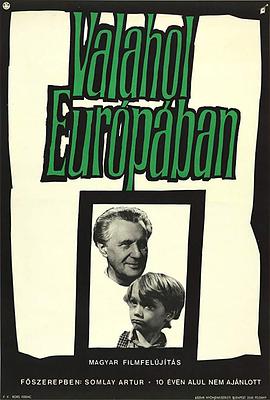
剧情: Somewhere in the remote region, the war ends. In the midst of ruined cities and houses in the streets, in rural hamlets, everywhere where people still live, are children who have lost their homes and parents. Abandoned, hungry, and in rags, defenseless and humiliated, they wander through the world. Hunger drives them. Little streams of orphans merge into a river which rushes forward and submerges everything in its path. The children do not know any feeling they know only the world of their enemies. They fight, steal, struggle for a mouthful of food, and violence is merely a means to get it. A gang led by Cahoun finds a refuge in an abandoned castle and encounters an old composer who has voluntarily retired into solitude from a world of hatred, treason, and crime. How can they find a common ground, how can they become mutual friends? The castle becomes their hiding place but possibly it will also be their first home which they may organize and must defend. But even for this, the price will be very high. To this simple story, the journalist, writer, poet, scriptwriter, movie director, and film theoretician Béla Balázs applied many years of experience. He and the director Géza Radványi created a work which opened a new postwar chapter in Hungarian film. Surprisingly, this film has not lost any of its impact over the years, especially on a profound philosophical level. That is to say, it is not merely a movie about war it is not important in what location and in what period of time it takes place. It is a story outside of time about the joyless fate of children who pay dearly for the cruel war games of adults. At the time it was premiered, the movie was enthusiastically received by the critics. The main roles were taken by streetwise boys of a children's group who created their roles improvisationally in close contact with a few professional actors, and in the children's acting their own fresh experience of war's turmoil appears to be reflected. At the same time, their performance fits admirably into the mosaic of a very complex movie language. Balázs's influence revealed itself, above all, in the introductory sequences: an air raid on an amusement park, seen in a montage of dramatic situations evoking the last spasms of war, where, undoubtedly, we discern the influence of classical Soviet cinematography. Shooting, the boy's escape, the locomotive's wheels, the shadows of soldiers with submachine guns, the sound of a whistle—the images are linked together in abrupt sequences in which varying shots and expressive sharp sounds are emphasized. A perfectly planned screenplay avoided all elements of sentimentality, time-worn stereotypes of wronged children, romanticism and cheap simplification. The authors succeeded in bridging the perilous dramatic abyss of the metamorphosis of a children's community. Their telling of the story (the scene of pillaging, the assault on the castle, etc) independently introduced some neorealist elements which, at that time, were being propagated in Italy by De Sica, Rossellini, and other film artists. The rebukes of contemporary critics, who called attention to "formalism for its own sake" have been forgotten. The masterly art of cameraman Barnabás Hegyi gives vitality to the poetic images. His angle shots of the children, his composition of scenes in the castle interior, are a living document of the times, and underline the atmosphere and the characters of the protagonists. The success of the picture was also enhanced by the musical art of composer Dénes Buday who, in tense situations, inserted the theme of the Marseilaise into the movie's structure, as a motive of community unification, as an expression of friendship and the possibility of understanding. Valahol Europaban is the first significant postwar Hungarian film. It originated in a relaxed atmosphere, replete with joy and euphoria, and it includes these elements in order to demonstrate the strength of humanism, tolerance, and friendship. It represents a general condemnation of war anywhere in the world, in any form.

 HD陈秋竹 王霸天 刘晓燕 侯琳琳 杜留香 影片讲述了在北京打工的王杰和斯斯蜗居地下室时发生的浪漫爱情故事。王杰和斯斯租住在同一个地下室,两个人互有好感。一次在超市的偶遇,王杰见斯斯买了很多物品,便主动上前帮忙。从那之后,两个人便有了交往。
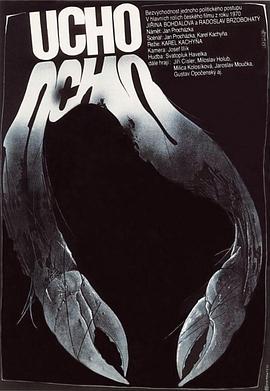 HD伊日娜·博赫达洛娃 拉多斯拉夫·布若博哈季 伊日·齐斯莱尔 路德维克是捷克铁幕时期政府的公务员,一天晚上他和妻子参加政府举办的宴会,在宴会上他得知他的顶头上司被秘密警察抓捕了,他很害怕连累到自己,回家后又发现家里莫名其妙停电了,而大门有别人进来的痕迹,就连
 HD付辛博 白冰 谭维维 傅颖 吉杰 钟伟强 李彧 韩小乐(付辛博 饰)在大理的咖啡馆遇见并爱上了美女吕雯,曾经的摩托车手吕雯因为一次意外导致脑部神经受损,记忆只能维持一天,韩小乐每天绞尽脑汁想出各种方式讨好心爱的姑娘“重新”追求吕雯,两人的爱情每
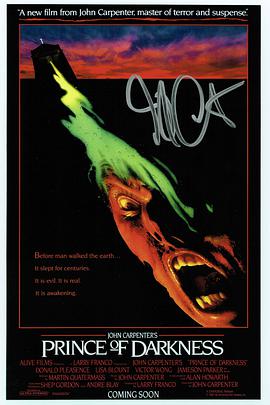 HD唐纳德·普利森斯 黄自强 丽萨·布伦特 詹姆森·帕克 丹尼斯·邓 安妮·玛丽·霍华德 德克·布罗克 杰西·劳伦斯 皮特·杰森 汤姆·布雷 乔安娜·默林 在洛杉矶一间废置的教堂里,一个牧师召集了一班学生与科学家,研究他们找到一个盛有绿色液体的玻璃管。这枝玻璃管可以将魔鬼之子释放,最终可以将魔鬼带到人间,世界末日便会来临。
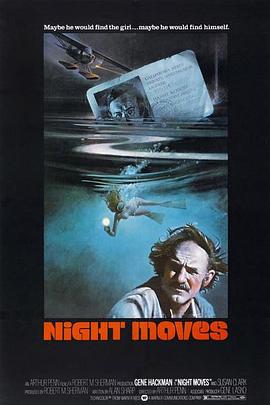 HD吉恩·哈克曼 珍妮弗·沃伦 爱德华·宾斯 哈里斯·于林 肯尼思·马尔斯 Janet Ward 詹姆斯·伍兹 安东尼·科斯特洛 约翰·克劳福德 梅兰尼·格里菲斯 Harry Moseby (Gene Hackman), a worn-out private detective, is hired to look for a 16-year-old girl w
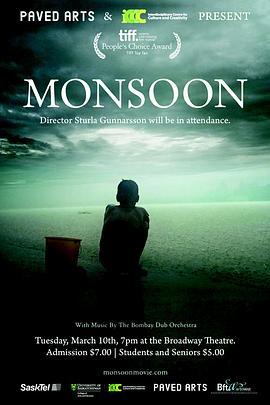 6.0HD Part road movie, part spectacle, part drama, Monsoon is Sturla Gunnarsson's meditation on chaos
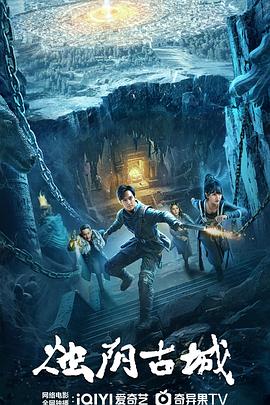 7.0HD董思怡 黄恺杰 何珮瑜 张晶伟 马春瀚 韩聪聪 安娜 李凯 荣蓉 影片以古老神秘的烛阴古城为背景,讲述了千年前烛阴古国凭借“九彩琉璃天珠仪”成为“地球守护者”却覆灭,千年后精通星象学的热血少女尹逢安(董思怡 饰)为救母勇闯烛阴地宫,意外揭开埋藏万年的烛阴古国覆灭之谜
 HD亚德里安·帕斯达 珍妮·赖特 来自小农场的年轻人卡利伯遇到了吸血鬼梅,她要卡利伯加入其族中。领导者杰西及手下并不能轻易接受这个青年,然而由于一次意外,卡利伯救出了暴露在阳光下的吸血鬼,由此得到了认可。而对死亡,卡利伯无法拒绝永
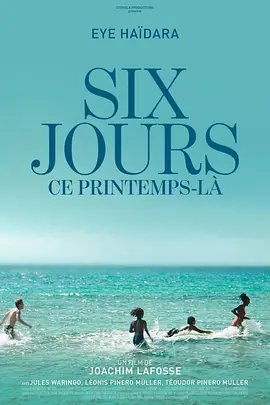 更新至HD伊尔·哈达拉 Jules Waring Leonis Pinero Müller Teodor Pinero Müller 艾曼纽·德芙 达米安·勃纳尔 尽管身处困境,萨娜仍想让双胞胎过一个春假,可她所有的计划都落了空。于是,他们偷偷做了决定:住进她前公婆在里维埃拉的别墅,这件事没有告诉任何人。六天的阳光灿烂,却成了纯真岁月的终点。
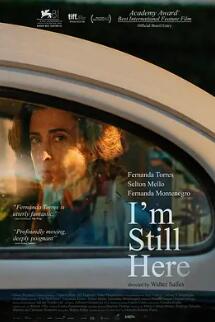 6.0HD中字费尔南达·托里斯 费尔南达·蒙特内格罗 赛尔顿·梅罗 梅芙·金琴丝 奥塔维奥·林哈里斯 安东尼奥·萨博亚 玛乔丽·伊斯恬诺 温贝托·卡劳 卡米拉·马尔蒂拉 丹·斯蒂拉奇 Valentina Herszage 卡拉·里巴斯 Olívia Torres 玛丽亚·马努拉 Kauã Rodriguez Guilherme Silveira 加布里埃拉·卡内罗·达库尼亚 Bárbara Luz 路易莎·科索夫斯基 Cora Ramalho 影片根据马塞洛·鲁本斯·派瓦撰写的同名回忆录改编,讲述了20世纪70年代初的巴西,一位母亲的家庭生活因一次偶然的暴力事件而支离破碎,她被迫重新塑造自己。该片入围2024年威尼斯电影节主竞赛单元,并斩获
 HD小栗旬 黑川智花 阵内孝则 工藤新一(小栗旬)这晚收到挑战书,称将有他的同学在修学旅行的船上被绑架,若新一不能保护好同学,须让出“高中生名侦探”的称号。新一本对修学旅行没兴趣,这封信令他次日赶到学校与小兰(黒川智花)、园子(